(Or why I’m torn between keeping secrets and telling everyone)
I’m writing this from a cottage overlooking Cemaes Bay, watching seals surface, moored boats bob about, and seabirds swoop and dive. The morning light across Anglesey (Ynys Môn) is doing that thing it does—turning ordinary Welsh countryside into something that belongs on a tourism poster.
Which is precisely the problem.
I want to tell you about this place. The coastal path that winds past monuments and rusting industrial remnants perched like afterthoughts on clifftops. Tiny coves where the only sounds are gulls and the gentle complaint of pebbles being rearranged by waves.
Villages where life moves at a pace that suggests someone remembered to read the manual.
But telling you means more people will come. More people coming means this stops being the place I’m falling in love with.
Welcome to the tourism paradox. Population: everyone with an Instagram account.
The weight of words
Every travel writer must face this ethical quicksand. Describe somewhere beautiful, and you’ve potentially contributed to its destruction.
Stay silent, and you’ve denied others joy while probably contributing to local economic stagnation.
Islands make this worse. Geography imposes natural limits that make every additional visitor feel exponential.
Anglesey has roughly 70,000 residents and receives over a million visitors annually. The maths alone suggests trouble.
But numbers don’t capture the human cost of getting this wrong.
When paradise becomes prison
In Newborough, a village on Anglesey’s southwest coast, locals report they no longer use their own forest and beach during summer. Too busy, apparently.
People who live in one of Wales’s most beautiful spots avoid it for half the year because visitors have made it unusable. The irony is almost Kafkaesque.
On Easter Sunday 2025, some residents faced 40-minute delays to drive the final half-mile into their own village. Imagine being trapped in your own home by people who’ve come to enjoy your view.
The response has been predictably bureaucratic. Parking charges doubled from £7 to £15. The car park locks once full. Frustrated residents staged slow-walk protests, deliberately blocking access roads.
These aren’t isolated incidents.
The broader picture
Anglesey’s struggles echo across Britain’s most cherished landscapes. The Lake District sees 19 million visitors annually—more than live in the entire Netherlands.
The Peak District gets 13 million people crowding into an area smaller than Greater London.
Both regions grapple with the same tensions: economic dependence wrestling environmental degradation and resident displacement.
Even countries like New Zealand, with vast spaces and small populations, feel the strain. Tourism contributes over NZ$15 billion annually but threatens the very landscapes that attract visitors.
It’s the equivalent of a successful diet that slowly kills you.
The pattern is depressingly familiar. Social media amplifies hidden gems until they’re no longer hidden. Infrastructure designed for locals buckles under visitor pressure. House prices rise as properties convert to holiday lets. Young locals leave because they can’t afford to stay.
Communities hollow out, becoming museum versions of themselves.
The economic equation
Tourism isn’t an unmitigated evil, of course. Critics note that 160,000 people in Wales rely on tourism for their livelihood.
Others argue this represents less than 8% of the Welsh economy and that economic benefits are “largely propaganda by tourism business owners.”
The truth sits between these positions, as truth often does.
Tourism creates jobs and injects money into remote areas with few alternatives. But benefits rarely match costs. Business owners profit while residents endure traffic chaos, inflated housing, and the gradual erosion of community life.
It’s a textbook negative externality. The people making money aren’t those bearing the consequences.
Beyond simple solutions
The instinct is to reach for blunt instruments. Charge more. Allow fewer people. Build bigger car parks. Ban photography.
These approaches treat symptoms, not causes, often creating new problems in the process.
Doubling parking fees might reduce visitor numbers, but it also makes beautiful places accessible only to the wealthy. Booking systems provide certainty for visitors but remove spontaneity for locals. Tourist taxes generate revenue but don’t address fundamental capacity issues.
More sophisticated approaches are emerging, though. Some places experiment with time-of-day pricing, encouraging visits during quieter periods. Others invest tourism revenue directly into local infrastructure.
A few have successfully promoted alternative attractions to distribute visitor pressure.
The most promising solutions share common characteristics: they involve local communities in decisions, they address root causes, and they accept that perfect solutions don’t exist.
Power
Here’s what I’ve realised sitting on this Anglesey hillside: the tourism paradox isn’t really about tourism.
It’s about power.
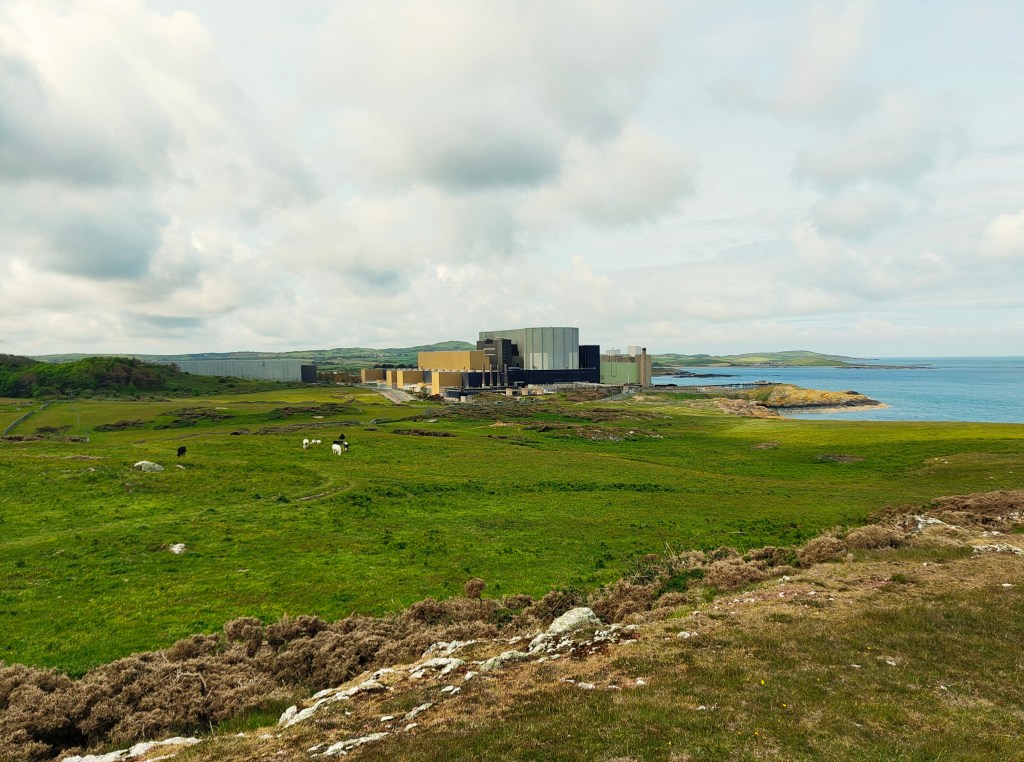
When we talk about “overtourism,” we’re actually discussing who has the right to enjoy a place. Who benefits from its exploitation. Who bears the costs of its popularity.
These aren’t technical questions with algorithmic solutions—they’re political and moral questions about justice and community.
The most sustainable approaches give local communities genuine agency over their own destinations. Not consultation after decisions are made, but meaningful participation in shaping how their places are shared with the world.
Three ways forward?
Looking across successful examples, three principles emerge:
Revenue redistribution works
Tourist taxes and visitor charges should flow directly to local communities for infrastructure and services, not into general government coffers. Residents should see tangible benefits from tourism revenue in their daily lives.
Capacity honesty helps
Many popular destinations simply cannot handle unlimited visitors without fundamental damage. Accepting this reality and implementing fair but firm limits beats pretending infinite growth is possible.
Alternative amplification matters
Rather than trying to hide beautiful places or restrict access, promote lesser-known alternatives with equal enthusiasm. Spread the love—and the economic benefit—more widely.
The Anglesey paradox
So what do I do about this place that’s captured my imagination? Write the glowing travel piece that might bring more visitors to already-strained communities?
Or keep quiet and let others discover it organically?
I’ve decided on a third way.
I’ll tell you Anglesey is remarkable—because it is. But I’ll also tell you about the challenges it faces and the need to visit responsibly. I’ll suggest quieter times and alternative destinations. I’ll encourage you to spend money with local businesses and respect local communities.
Most importantly, I’ll ask you to consider whether your visit adds value to a place or just extracts it.
The goal isn’t to stop people discovering beautiful places. It’s to help them discover beautiful places in ways that keep them beautiful for everyone—including the people who call them home.
The seals are still surfacing in Cemaes Bay as I finish writing. The light has shifted from gold to silver. In a few hours, this view will belong to someone else staying in this cottage.
Remember that the best souvenirs are photographs and stories—not traffic jams and resentment.
This article was written with the assistance of AI.